
Endodontic / Root Canal Therapy
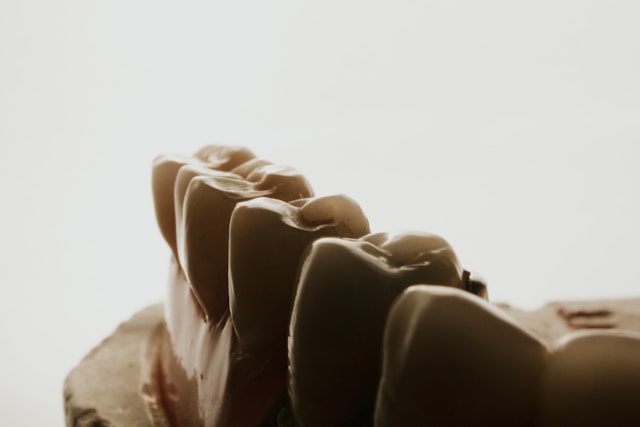
- Root canal therapy is required when the pulp (nerve) of the tooth becomes infected or irreversibly inflamed, most commonly from decay, cracked tooth, broken tooth and/or trauma.
- This is done by accessing the nerve canal space and using very fine instruments to remove the infected pulp tissue, disinfect and shape the canal(s) before a root filling material is placed.
- Root canal therapy allows us to preserve and keep teeth in the mouth which otherwise would have to be extracted due to dental abscesses
- After root canal therapy the tooth is restored with either a filling or more commonly a crown/cap in order to protect the tooth for the long term
FAQs
Ive heard root canals are painful, why is that?
The root canal procedure itself is often painless, however when teeth are acutely inflamed and infected our local anesthetics sometimes don’t work as well. This can cause the patient to feel more during procedure. In rare cases antibiotics can help to calm the infection before the procedure is started
Ive heard root canals can weaken teeth, is that true?
Root canal procedures do not inherently weaken teeth. Often times, teeth that require root canals are already broken down sufficiently that they are weakened. This is why we recommend caps/crowns after the root canal procedure is completed.
Why does my tooth still hurt after a root canal procedure was done?
Although rare, it is not uncommon to have some ongoing discomfort after a root canal procedure is completed. This can happen for a variety of reasons, but in general there is always some inflammation from the infection that takes time to resolve. This can take weeks to months in some patients.
If my tooth is infected or abscess, don’t I need antibiotics?
Not necessarily. When a tooth is infected or abscessed, there is bacteria inside the root canal spaces. The definitive treatment is to remove this source of infection by either performing the root canal procedure or extracting the tooth.
Antibiotics are generally reserved for spreading infections.
I have a bump on my gums, do I have an infection?
Possibly? Sometimes when a tooth has an infection or abscess, that infection can progress through the bone and gum and drain into the mouth. Although it can be a nuisance, this drainage helps to relieve swelling that would otherwise be trapped inside the bone. After the root canal procedure has been completed, this bump will heal.