
Tooth Whitening
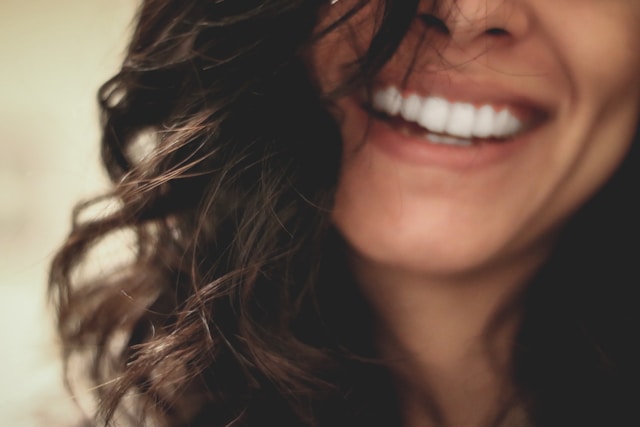
- Also called ‘bleaching’ or ‘tooth lightening’
- Tooth whitening uses gels containing either hydrogen peroxide and/or carbamide peroxide to help loosen and remove stains in teeth.
- Staining/darkness can occur from many sources including foods/drinks, smoking, natural aging, trauma and some medications.
- Tooth whiting can be done in-office or more commonly as a take home kit to be used over 2 weeks or more.
- The best results occur using the at home kit over time and avoiding foods like coffee, tea, red wine, chocolate, berries…etc during the bleaching phase.
- Some really dark staining from medications or trauma will not respond to bleaching techniques and instead may require porcelain veneers / crowns to mask.
FAQs
Will my turn hurt during bleaching?
Possibly. Some people may experience transient sensitivity during the active bleaching phase. This is often temporary and improves over time. Sensitivity is more coming with thinner enamel or patients who have recessions and root exposure.
Using a sensitive toothpaste before and after bleaching can help reduce tooth sensitivity.
How white will my teeth get after bleaching?
There is no guarantee for how light your teeth will get after bleaching until you start. For stubborn darkness, you often have to bleach at a lower concentration for longer.
Will my teeth stay lighter forever after bleaching?
No. after the active phase is completed, the colour often reduces slightly and stabilizes. Touch-up bleaching yearly is often required.
Why do my old fillings look darking after bleaching?
Natural tooth structure will bleach and get lighter in colour, porcelain and white filling material will not. If the discrepancy is too great after active bleaching is done, old restorations will need to be replaced to match new tooth colour